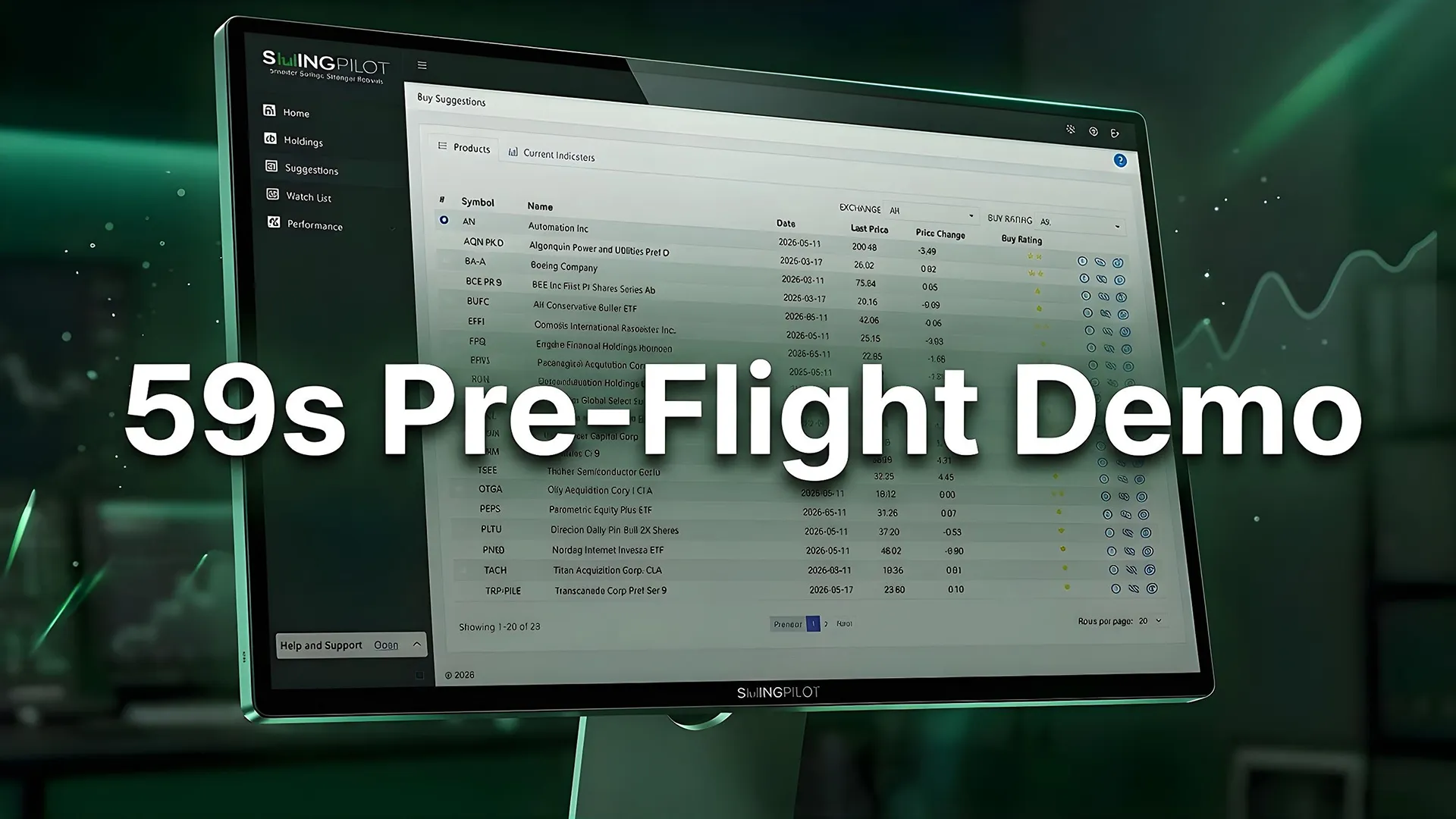
 Launching June 2026







The Market Reads You Before You Read the Chart
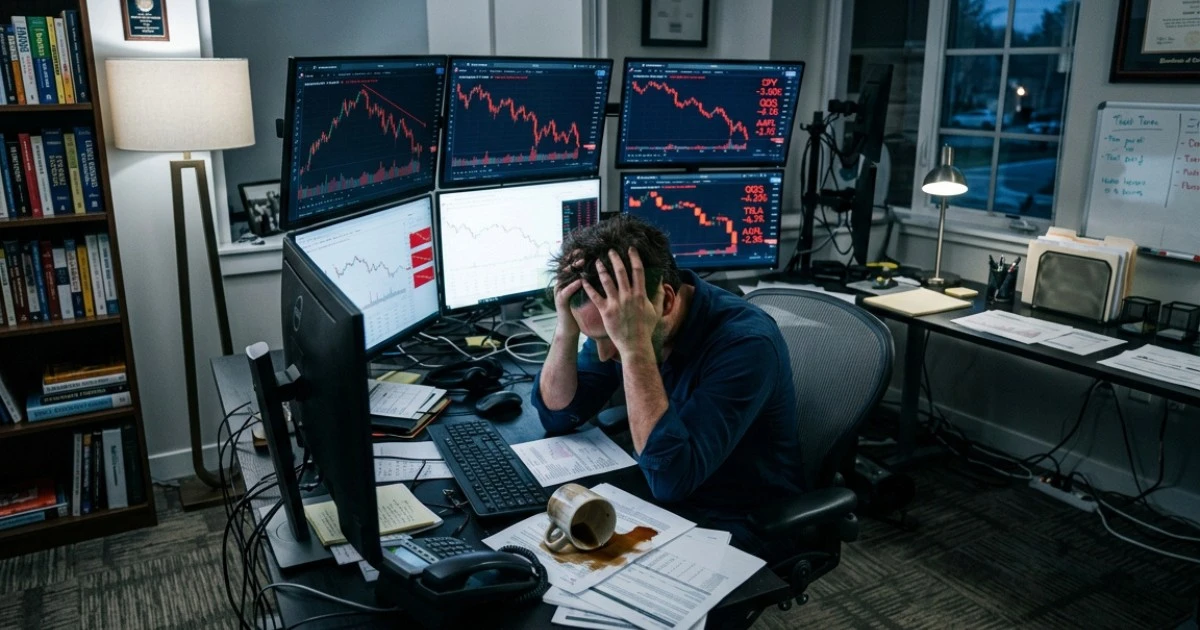
Before you place a single trade, the market already knows three things about you whether you have a plan, whether you have a stop loss, and whether you'll panic when price moves against you. Unprepared traders answer all three questions the wrong way every single session.
No plan means you'll enter on impulse. No stop loss means you'll hold losing positions too long. No system means every decision gets made in the heat of the moment which is exactly when your worst trading happens. The market doesn't create these situations. It just shows up to profit from them.
Three Things the Market Exploits Every Single Day
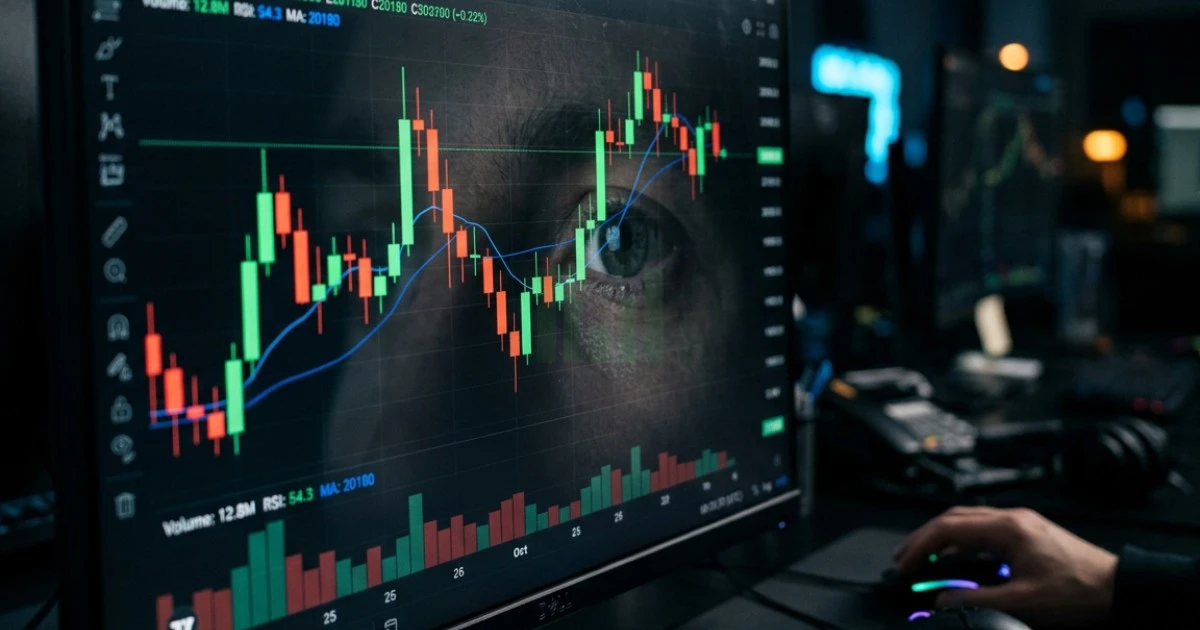
Unprepared traders have three vulnerabilities the market targets without fail.
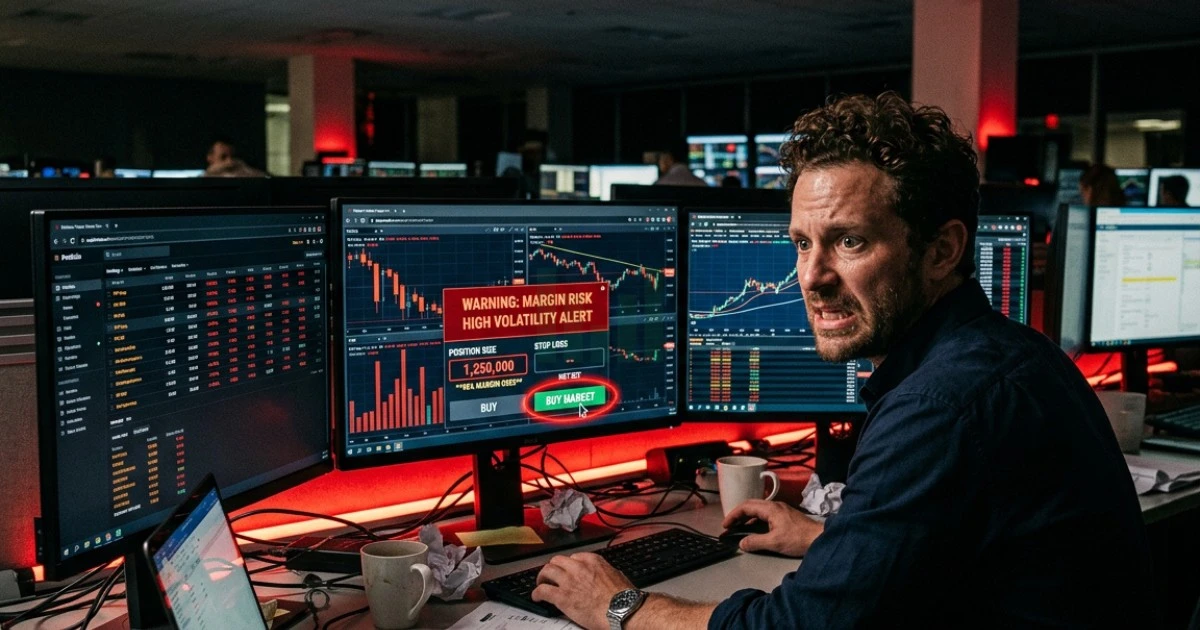
The first is no defined exit traders who enter without a stop loss will always hold too long because hope replaces logic the moment a position turns red.
The second is emotional sizing positions sized on confidence instead of risk always end up too large on the wrong trades.
The third is timing without confirmation entering because something is moving rather than because a setup has formed is the most expensive habit in retail trading.
These aren't random mistakes. They're patterns. And the market collects on patterns with remarkable consistency.
What Preparation Actually Looks Like Before the Bell
Preparation isn't spending three hours on research. It's having three non-negotiables before every trade a reason to enter, a price that proves you wrong, and a target that justifies the risk. That's it. Everything else is noise.
Prepared traders review their watchlist the night before. They identify setups that qualify, define their levels, and go to bed knowing exactly what they'll do when the market opens.
By the time the bell rings, the work is already done. The market opens to find a trader with no decisions left to make under pressure which is the most dangerous trader it can face.
Knowing Better Isn't the Same as Trading Better
Every trader who's ever blown a session knows they should have had a plan. They knew it before the market opened. They knew it while it was happening. They knew it the moment they closed the position. And yet the next morning, the same session plays out the same way.
That gap between knowing and doing is where accounts bleed the most. Preparation feels unnecessary when nothing has gone wrong yet. It feels excessive when confidence is high. And it feels impossible to implement when the market is already moving. The traders who stay unprepared aren't lazy or undisciplined. They've just never built a system that makes preparation automatic... so emotion fills the gap every single time.
Answering Your Questions Already as per the Research
How many trades should a swing trader take per week? Quality over quantity is the foundation of swing trading. Most profitable swing traders take between three and ten trades per week, focusing only on setups that meet their full criteria. Forcing additional trades beyond what qualifies is one of the fastest ways to turn a profitable strategy into a losing one.
What should I do immediately after a losing trade? After a losing trade, the most important action is stepping away from the screen before placing another position. Review whether the loss followed your plan or deviated from it. A loss that followed your system is not a failure a trade placed out of frustration to recover that loss is.
How do I stop trading on emotion? The most effective way to remove emotion from trading is to make every critical decision before the session begins. Replace every emotional decision with a pre-written rule defined before the session begins. When the plan makes the decision, emotion never gets the opportunity to override it.
How do I prepare for trading before the market opens? Effective pre-market preparation involves three things identifying valid setups on your watch-list, defining your entry, stop loss, and target for each, and deciding your position size based on risk rather than confidence. When these decisions are made before the market opens, emotion has nothing left to override.
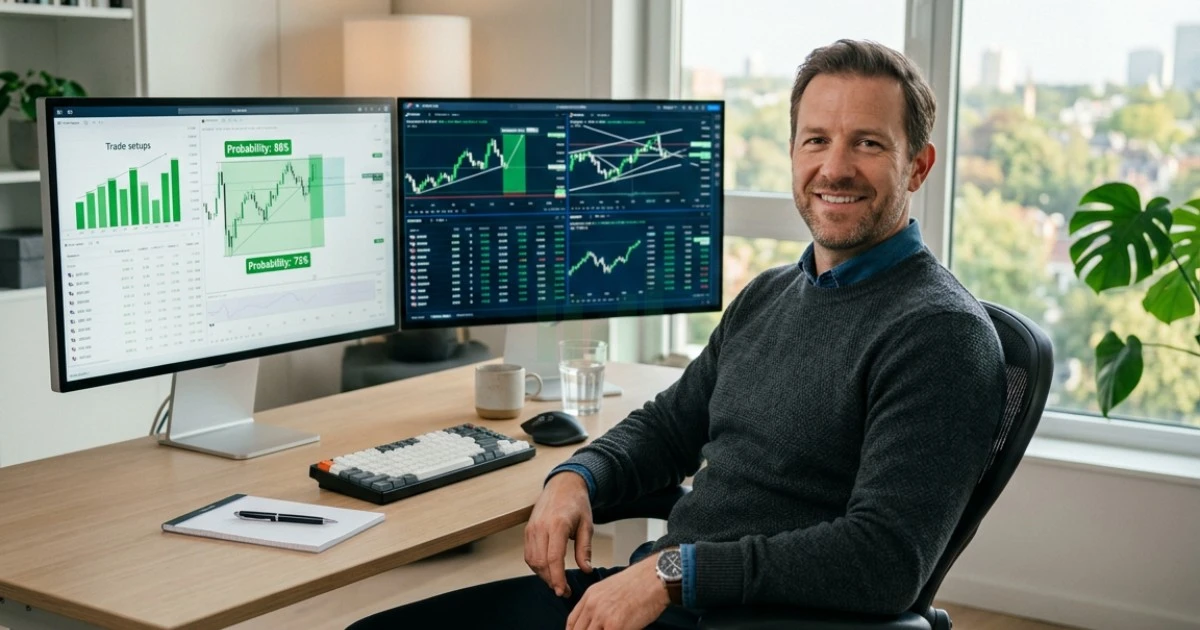
Swing Pilot: The Preparation the Market Hates
You now know exactly what the market exploits no plan, no stop loss, no system, and decisions made under pressure. The question isn't whether you know it. It's whether you'll do something about it before the next session opens.
Swing Pilot delivers your preparation before the bell rings. AI-powered setups, ranked by probability, built specifically for swing traders who refuse to be the market's easiest trade. Show up with a plan. Show up with Swing Pilot. The market hates a prepared trader. Be that trader.
Become a BETA Tester for Free
Smarter Swings. Stronger Returns.